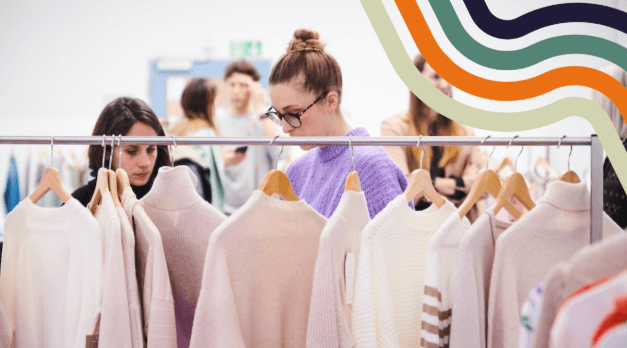
Collaboration redefines how fashion tests ideas, blends materials with digital fabrication, and shorts cycles from concept to prototype. Teams unite design, tech, and insight to turn constraints into new silhouettes and ethics-driven choices. Partners co-create scalable systems that push form while reducing waste. Transparent governance and cross-disciplinary critique sustain momentum, shaping a runway and lab with measurable impact. The question remains: how will these alliances evolve next to redefine value and responsibility?
Why Collaboration Drives Fashion Innovation
Collaboration accelerates fashion innovation by pooling diverse expertise, from design and technology to materials science and consumer insight. It enables iterative experimentation, cross-pollination, and rapid prototyping, transforming constraints into opportunity. Sustainable materials and digital fabrication emerge as core enablers, reducing waste while expanding expressive potential. Shared intelligence scripts clearer value propositions, accelerates timelines, and invites fearless collaboration across disciplines, regions, and business models. Freedom fuels transformative, responsible impact.
Collaborator Archetypes Shaping the Runway and Lab
Across the runway and the lab, distinct collaborator archetypes converge to accelerate insight, iteration, and impact. Designers, labs, and tech materials coalesce into a dynamic ecosystem where visionary minds translate constraints into prototypes, and iterative feedback fuels rapid refinement. Analytical boundaries blur as interdisciplinary teams align goals, governance, and timing, unlocking freedom to redefine form, function, and sustainable fashion futures.
Case Studies: Standout Fashion-Tech Partnerships
Case studies illuminate how fashion and technology converge to accelerate innovation, revealing patterns of successful collaboration across design, materials science, and digital systems. In varied partnerships, brands and labs test boundaries, translating concept into scalable systems and tangible products. Sustainable materials and cross pollination ethics frame decisions, guiding joint risk and benefit. The result is clearer pathways for responsible, transformative fashion-tech ecosystems.
How to Foster Successful Cross-Disciplinary Collaborations
The study of successful cross-disciplinary collaborations begins by identifying concrete goals that align design, material science, and digital systems, then pairing stakeholders around shared outcomes rather than rigid roles.
This approach unlocks future materials and ethical sourcing, enabling runway tech and holographic fabrics to converge with wearable comfort.
Transparent governance and sustainable labeling sustain momentum, while open critique fuels fearless, collaborative innovation.
See also: How to Avoid Crypto Scams Easily
Frequently Asked Questions
How Do We Measure the ROI of Fashion-Tech Collaborations?
Measuring impact reveals ROI through collaboration metrics, balancing financial gains with innovation value. The approach evaluates shared platforms, data yields, and brand equity, while behavioral change and speed to market illuminate true performance, guiding strategic, freedom-driven decision making.
What Risks Most Threaten Collaborative Fashion Projects?
Risks most threaten collaborative fashion projects: risk misalignment and equity dilution, challenging shared vision, governance, and value capture; a visionary, analytical stance notes alignment mechanisms, transparent equity terms, and inclusive decision processes; freedom-seeking audiences expect proactive mitigation and clarity.
Which IP Considerations Matter in Co-Developed Designs?
Intellectual property safeguards shape co-developed designs, while collaboration agreements anchor trust. In this delicate frontier, teams navigate ownership, licenses, and moral rights; risks loom, yet clarity unlocks shared vision, enabling daring innovation and freedom in collective creativity.
How Can Emerging Designers Access Open Collaboration Platforms?
Emerging designers can access open platforms by engaging with transparent, low-barrier collaboration access that democratizes resources, enabling fashion tech ecosystems to flourish; these open platforms foster visionary, analytical partnerships where creativity thrives, and freedom resonates through collaborative innovation.
What Funding Options Support Long-Term Cross-Disciplinary Partnerships?
Funding options exist to sustain long-term cross-disciplinary partnerships, emphasizing funding strategies that foster durable collaboration. The approach analyzes incentives, risk sharing, and governance, presenting a visionary, collaborative framework that empowers freedom-focused teams to pursue enduring cross disciplinary partnerships.
Conclusion
Collaboration remains the engine propelling fashion innovation from concept to collection. By uniting design intuition, technical prowess, and material science, teams translate constraints into scalable, sustainable form. The runway and the lab converge as stakeholders co-create, critique openly, and iterate rapidly, turning risk into opportunity. As governance and transparency mature, ecosystems become resilient and ethical. Will the next wave of breakthroughs emerge when cross-disciplinary voices persistently challenge boundaries and co-author outcomes beyond traditional binaries?